Storm Damage in Limestone Springs, IN
Storm water in your Limestone Springs home measured before anything gets cut, then dried until the numbers match baseline
Need Storm Damage in Limestone Springs? Limestone Springs Water Restoration answers 24/7 with certified crews, fast on-site response, and documentation built for your insurance claim. Call (765) 703-7292 now.
- Service: Storm Damage for Limestone Springs homeowners
- Service area: Limestone Springs, IN and surrounding areas
- Response time: Around the clock dispatch; Limestone Springs emergencies move to the front of the line
- Licensed and insured (License #RC21100059)
- Serving Limestone Springs, IN since 2018
Storm Damage Cleanup in Limestone Springs
We handle storm damage cleanup across Limestone Springs, from tarping the opening to drying the house underneath it, and we're out day or night.
Where Storm Water Ends Up
Homes near Fall Creek and the White River can see rising water after heavy rain.
After a storm we can be anywhere in Limestone Springs, from Winding Creek to the roads around White Granite Drive and Pebble Street. Nearby, we also dry out storm damage in Windermere Pointe and Sumerlin Trails.
Expert Storm Damage for Limestone Springs Homeowners
After days of heavy rain, the ground around your Limestone Springs home holds all it can, and the next downpour pushes water through the floor joint and the cracks in the foundation wall. A basement can take on water this way with every pipe and appliance intact. Limestone Springs Water Restoration extracts the water and dries the structure on storm calls across Hamilton County, with readings that show how far it spread.
A meter reading only means something on the right scale. Drywall and wood framing read differently, so Limestone Springs Water Restoration sets the meter for the material it's touching and logs the material type beside every number. That's how a reading taken in your Limestone Springs home on day one can be compared with one taken on day four.
Electrical safety comes first once the crew is inside. The technician looks for water around outlets and light fixtures and keeps affected circuits off. Rooms with a bowed ceiling stay empty until the cavity is opened. If standing water reaches the panel in your Limestone Springs basement, an electrician gets called before anyone enters the room.
Many policies expect you to take reasonable steps to limit further damage after a loss, and to keep receipts for what you do. Moving belongings or calling a restoration company both count as steps worth documenting. Limestone Springs Water Restoration logs what the crew does on each visit to your Limestone Springs home, and the adjuster decides what your policy reimburses.
The gap between a ceiling that can be dried and a ceiling that has to come down is measured in days. Limestone Springs Water Restoration answers storm water calls in Limestone Springs and Hamilton County with a 2 hour dispatch window, around the clock, and we'll show you the readings that say which side of that line your house is on.
Signs You Need Storm Damage Restoration
If you notice any of these in your Limestone Springs home, schedule a free inspection before the issue worsens.
Ceiling texture cracked in a straight line that follows a joist or a roof truss
Water stains running down a stairwell wall from the upper floor
Flooring cupping, lifting, or separating at the seams along an exterior wall
Hardwood boards cupping near a patio door or garage entry
Daylight visible through the roof sheathing when you look up from inside the attic
Standing water around the sump pit after the power came back on
Mud film on a basement floor once the water has drained away
Window or door trim swollen and sticking that opened and closed fine last week
Carpet near an exterior door that squishes underfoot after wind driven rain
Plaster ceilings with fresh hairline cracks and a dull, damp look
How Limestone Springs Water Restoration Handles Storm Damage
We follow these steps in order on every Limestone Springs job.
Power and Safety Check
The crew looks for water near outlets and light fixtures and keeps affected circuits off. Sagging ceilings and slick floors get marked before anyone starts work, and wet electrical gear gets flagged for an electrician.
Emergency Stabilization
Tarp, shrink wrap or board up goes over the opening the storm made, photographed before and after. Stopping the ongoing intrusion is what lets the drying numbers hold. Details of the opening get passed to whoever's handling the permanent roof or siding repair.
Water Source Call
The crew checks where the water came in and what it touched on the way, and photographs the entry point. Floodwater that came in at grade gets containment and protective gear before any work starts.
Contaminated Material Removal
Porous materials soaked by floodwater, such as carpet and the lower drywall, get cut out and bagged for disposal. Cut heights are photographed and recorded, so the scope and your file show what came out and why.
Drying Equipment Setup
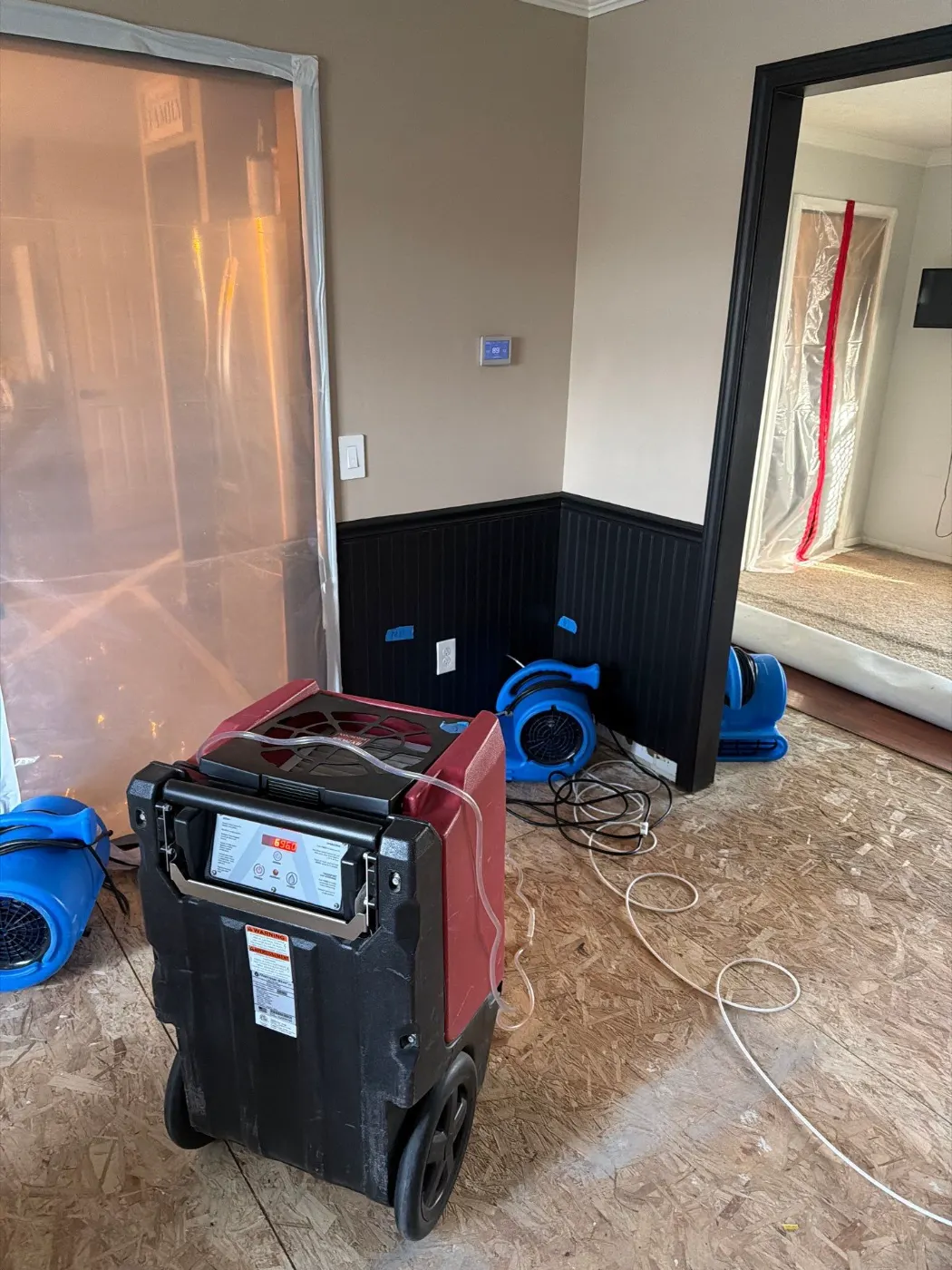
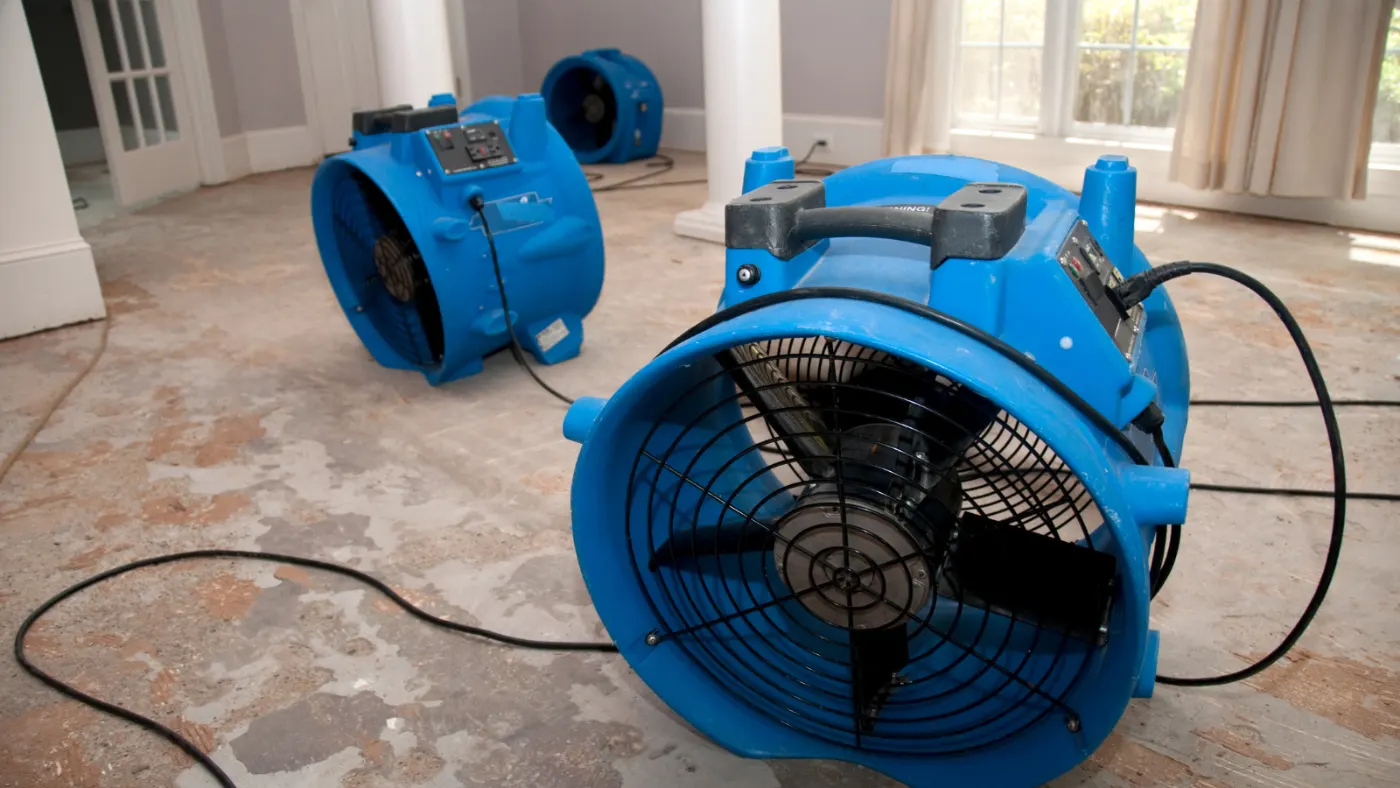
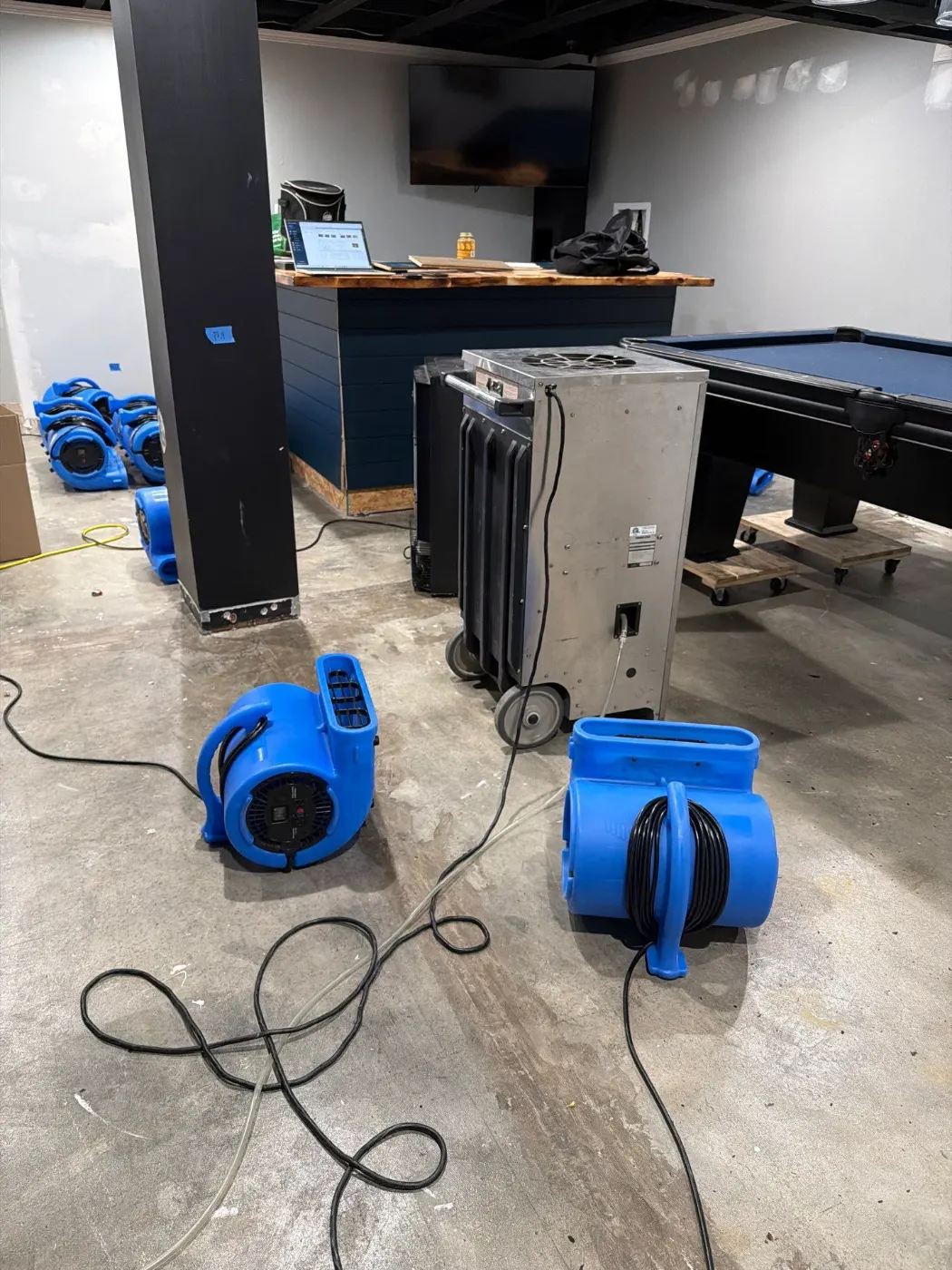
Air movers go where the mapping shows wet surfaces, and dehumidifiers get sized to the volume of the space being dried. Closed doors and poly sheeting seal off the drying area so the equipment works on the wet rooms only.
Storm Damage in Limestone Springs
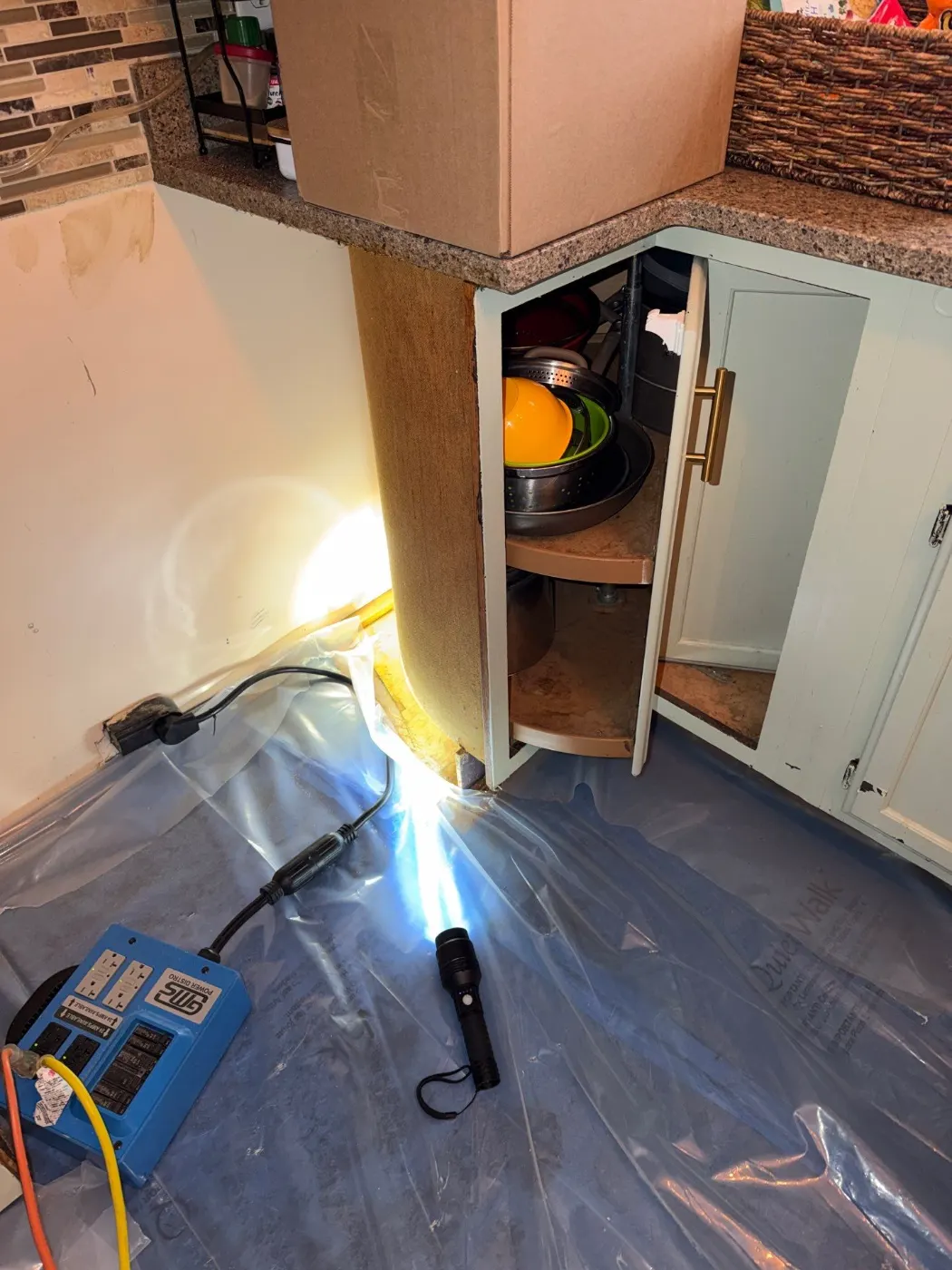
Photographs from real storm damage jobs completed by our crew in Limestone Springs and surrounding areas.
Storm Damage FAQ
Questions Limestone Springs homeowners ask us about storm damage restoration.
Guidance and Standards for Storm Damage
- The National Weather Service office in Indianapolis posts summaries of recent central Indiana storm and flood events. NWS Indianapolis Event Summaries
- The Indiana Department of Insurance advises against permanent repairs before your insurance company inspects the damage. Check your own policy for what it covers. Indiana Department of Insurance: Insurance Claim Tips
Limestone Springs Neighborhoods We Serve
We take storm damage calls in every part of Limestone Springs. Pick your neighborhood for local details.
Other Restoration Services in Limestone Springs
Limestone Springs Water Restoration handles the full scope of restoration work. Explore our other services below.
Water Damage Restoration in Limestone Springs
24/7 emergency response. IICRC certified water restoration from extraction to full dry out.
Learn more →Basement Flooding in Limestone Springs
Basement water emergencies handled fast. Extraction, drying, mold prevention.
Learn more →Sewage Cleanup in Limestone Springs
Category 3 biohazard cleanup. Full containment, decontamination, structural restoration.
Learn more →Request Storm Damage Restoration
Reach Us Directly
Our team is available 24/7 for emergencies and ready to schedule inspections during business hours.
Need Immediate Help?
For active water or mold emergencies, call us directly. We are available 24/7.