Commercial Water Restoration in Limestone Springs, IN
Desiccant drying built for commercial square footage, with daily readings reported to your Limestone Springs management office.
For Commercial Water Restoration in Limestone Springs, Limestone Springs Water Restoration brings the equipment, the certifications, and the paperwork: 24/7 response, written scopes, and insurance claim support. Call (765) 703-7292 for dispatch.
- Service: Commercial Water Restoration for Limestone Springs homeowners
- Service area: Limestone Springs, IN and surrounding areas
- Response time: Fast local response for Limestone Springs; live dispatch every hour of the year
- Licensed and insured (License #RC21100059)
- Serving Limestone Springs, IN since 2018
Commercial Water Damage Restoration in Limestone Springs
For offices and other commercial buildings in Limestone Springs, we'll handle water extraction and drying at any hour.
Site Conditions
Properties near Fall Creek and the White River carry added flood risk in heavy rain. Freeze and thaw cycles each winter can burst pipes in unheated parts of a commercial building. Your building's own drains and roof get checked on the first walkthrough with whoever manages the property.
We cover commercial properties across Limestone Springs, including the area around the Hamilton Town Center. We also handle commercial water losses in Sumerlin Trails and Windermere Pointe.
Commercial Water Restoration for Limestone Springs Businesses
Patient files, charts and the paper nobody has scanned yet sit in the rooms that flooded, and those have a shorter window than the building does. Paper that stays wet moves from salvageable to lost in a matter of days. A crew dispatches to commercial water losses in Limestone Springs within 2 hours, stabilizes the space, and triages records and contents for salvage while the structural drying gets set up.
Limestone Springs Water Restoration writes commercial scopes line by line, with the readings and photos behind each item, so you can compare bids apples to apples. If another vendor's scope for your Limestone Springs building shows more tear out or more equipment days, ask for the readings that support it. Every line on a scope from Limestone Springs Water Restoration points back to a measurement or a photo.
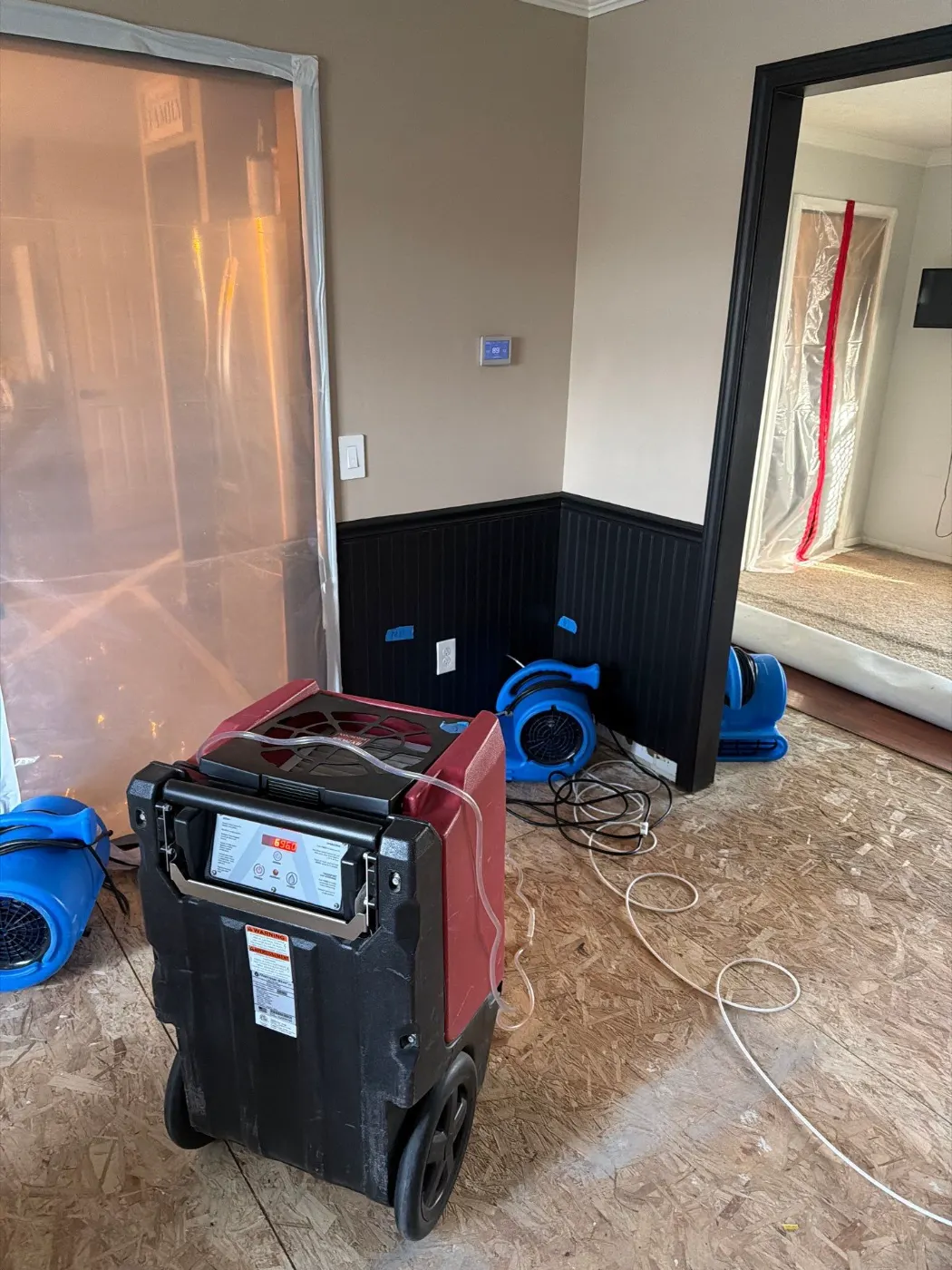
Containment goes up early so the building keeps working. Limestone Springs Water Restoration crews poly off the affected zone, put it under negative pressure where the water category calls for it, and keep corridors and egress clear. Tenants outside the zone keep operating while equipment runs inside it. Zone boundaries get drawn with your management office, so nobody gets surprised by a plastic wall on Monday morning.
Some commercial losses never become claims, and ownership pays for the work directly. The documentation still gets built the same way. You end up with a scope you can price, readings proving the building dried, and a file that matters if the same riser fails next year and a carrier asks what was done the first time.
Phone before staff start cleaning up, so the first photographs show the loss as it was found. Limestone Springs Water Restoration documents the wet areas of your Limestone Springs building and sets the drying plan from the moisture map, which gives your carrier and your owner the same starting record.
Signs You Need Commercial Water Restoration
If you notice any of these in your Limestone Springs building, schedule a free inspection before the issue worsens.
Water running down stairwell treads or collecting on a landing below an upper floor
Standing water in the lift pit, or a pit alarm showing on the monitoring panel
Vinyl wallcovering seams curling or bubbling on an interior partition wall
Cove base pulling away from gypsum board along a corridor or exterior wall
Water tracking out from under a server rack or running along a cable tray
Baseboards swelling at the bottom of a wall in an office suite
Musty smell in a stockroom or storage closet that wasn't there last week
Sprinkler head knocked loose by a ladder or a forklift and discharging into the aisle
Condensate overflowing from an air handler pan onto the mechanical room floor
Water spreading from a laundry room or mailroom door into the common corridor
How Limestone Springs Water Restoration Handles Commercial Water Restoration
We follow these steps in order on every Limestone Springs job.
Emergency Call Intake
The person who answers asks where the water is coming from in your Limestone Springs building and whether the source is shut off. Access details and your engineer's contact get collected, and you hear what to move and what to leave in place for photographs.
Source Shutoff and Water Category
The engineer or the trade that owns the failed line closes it off, and the crew photographs the failure point and notes what kind of water came out of it. That category call sets how each wet material gets handled.
Air Handling Coordination
Units that serve the wet zone get identified with your engineer and HVAC contractor. Affected air handling is isolated or switched off, which keeps moisture from riding the return air to unaffected floors.
Contents and Furniture Protection
Furniture and fixtures get labeled by room and photographed in place, then blocked up or moved to dry staging in the order the zones open. The inventory travels with the job file alongside the readings.
Clearance Verification
Previously wet materials get read against dry standard readings from the same materials in an unaffected part of the building. Equipment comes off the floor once those numbers are documented, and containment comes down after that.
Commercial Water Restoration in Limestone Springs
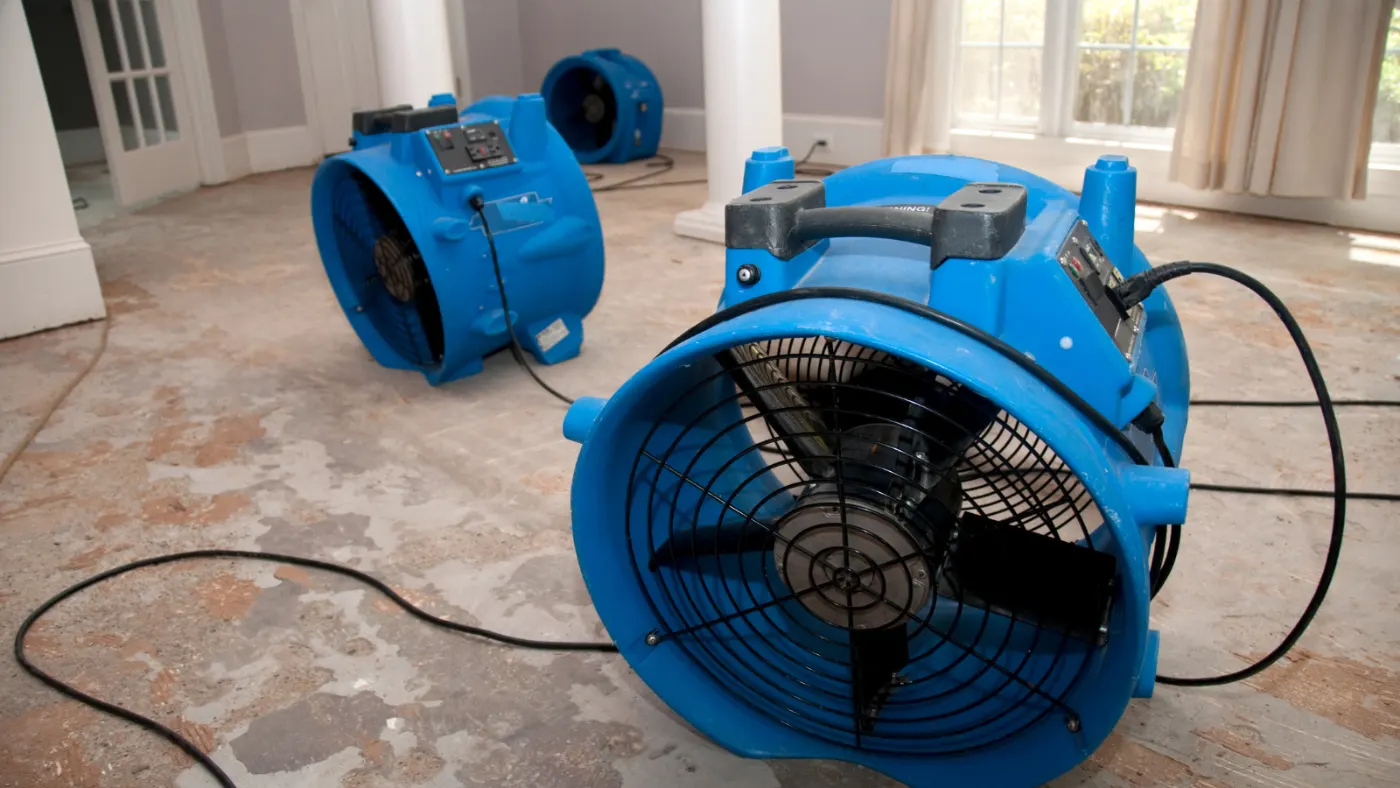
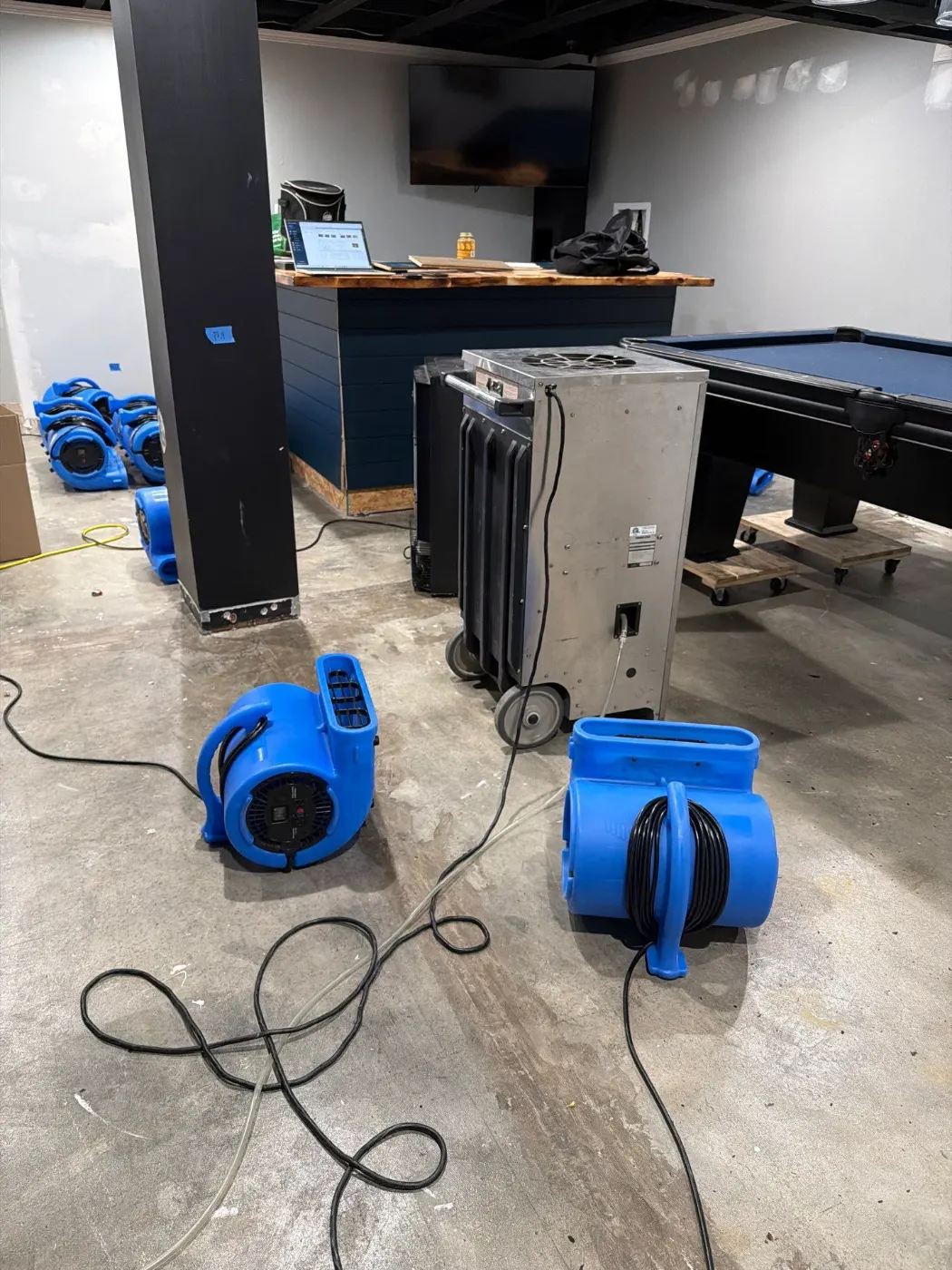
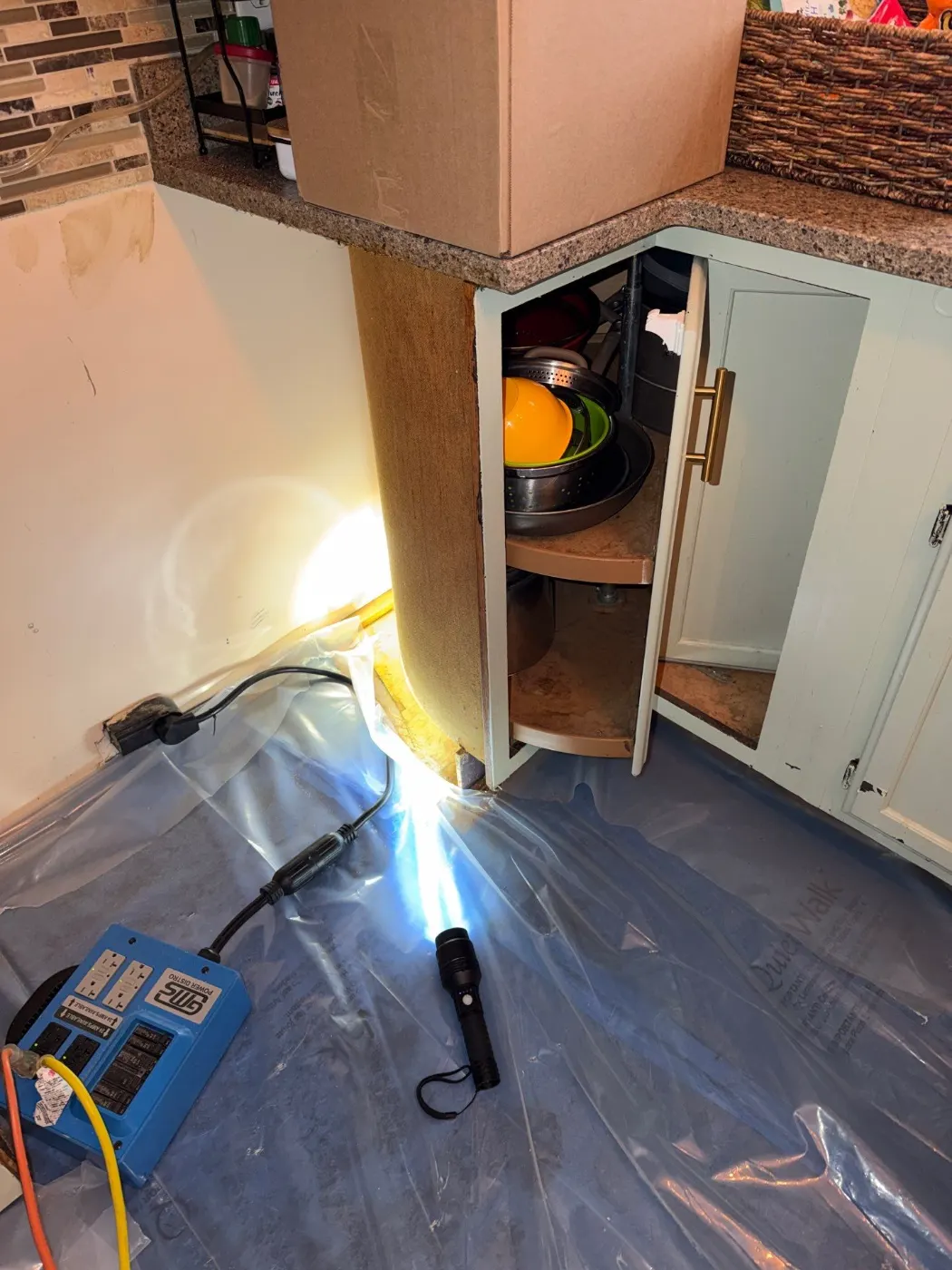
Photographs from real commercial water restoration jobs completed by our crew in Limestone Springs and surrounding areas.
Commercial Water Restoration FAQ
Questions Limestone Springs property managers ask us about commercial water restoration.
Guidance and Standards for Commercial Water Restoration
- The ANSI/IICRC S500 is the published standard for professional water damage restoration. The current edition is the Fifth Edition, 2021. IICRC S500 Standard
- EPA advises drying water damaged areas and items within 24 to 48 hours to prevent mold growth. EPA: A Brief Guide to Mold, Moisture and Your Home
Limestone Springs Neighborhoods We Serve
We take commercial water restoration calls in every part of Limestone Springs. Pick your neighborhood for local details.
Other Restoration Services in Limestone Springs
Limestone Springs Water Restoration handles the full scope of restoration work. Explore our other services below.
Water Damage Restoration in Limestone Springs
24/7 emergency response. IICRC certified water restoration from extraction to full dry out.
Learn more →Basement Flooding in Limestone Springs
Basement water emergencies handled fast. Extraction, drying, mold prevention.
Learn more →Sewage Cleanup in Limestone Springs
Category 3 biohazard cleanup. Full containment, decontamination, structural restoration.
Learn more →Request Commercial Water Restoration
Reach Us Directly
Our team is available 24/7 for emergencies and ready to schedule inspections during business hours.
Need Immediate Help?
For active water or mold emergencies, call us directly. We are available 24/7.