Commercial Mold Remediation in Limestone Springs, IN
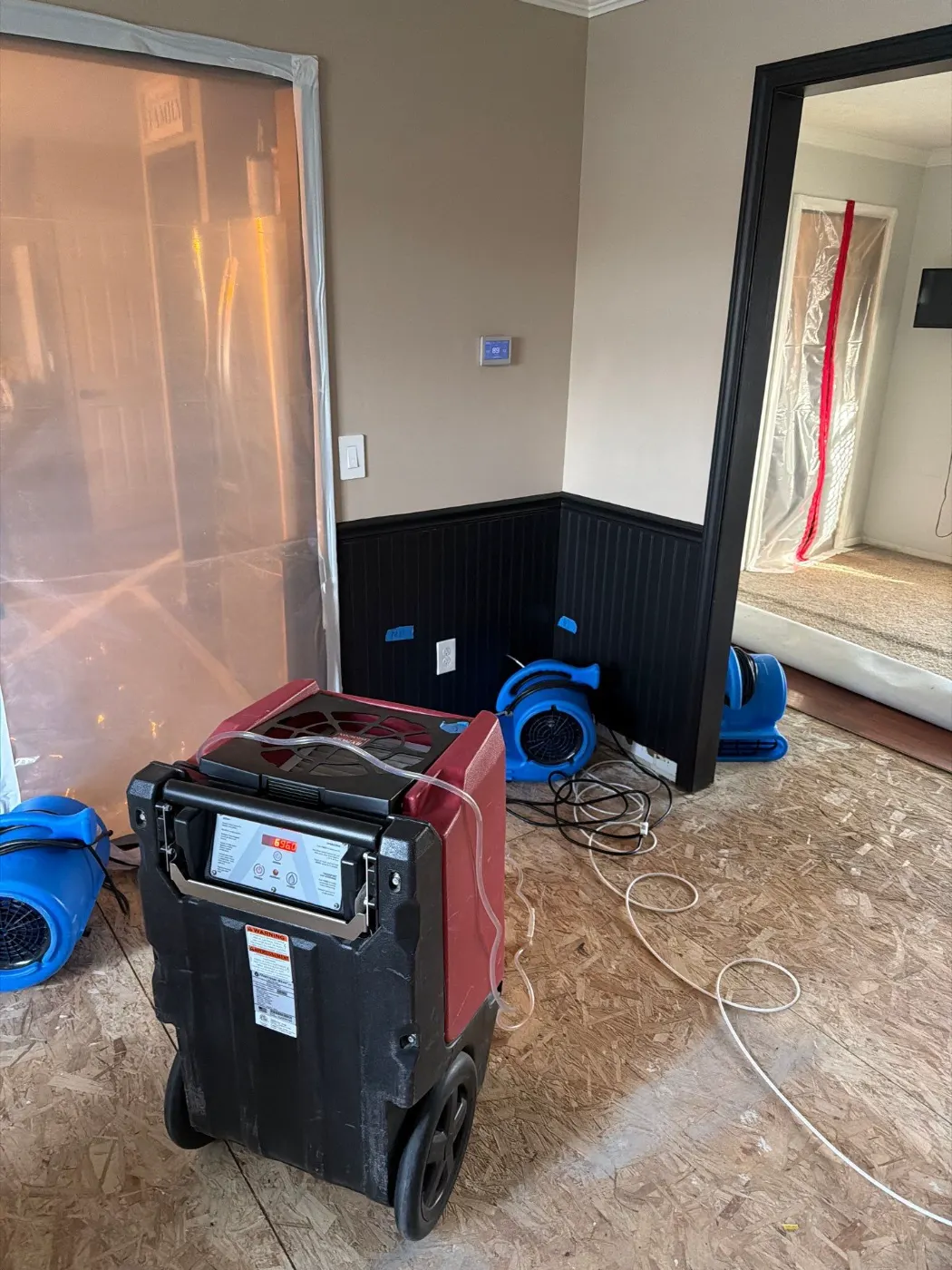
Sealed barriers and negative air keep Limestone Springs tenants working while the affected walls come out.
Limestone Springs Water Restoration provides Commercial Mold Remediation across Limestone Springs with IICRC certified technicians, scheduled evaluations, and documentation your insurance carrier expects. Call (765) 703-7292 to set a time.
- Service: Commercial Mold Remediation for Limestone Springs homeowners
- Service area: Limestone Springs, IN and surrounding areas
- Response time: Scheduled inspection, typically next business day or sooner
- Licensed and insured (License #RC21100059)
- Serving Limestone Springs, IN since 2018
Commercial Mold Removal in Limestone Springs
We handle commercial mold removal throughout Limestone Springs, and we'll find the moisture source before the scope is written.
Moisture Sources Here
Buildings near Fall Creek and the White River can take on floodwater, and anything left wet afterward can grow mold. We'll go over the air handling and any past leaks on the first walkthrough with whoever runs the building.
We take commercial mold jobs anywhere in Limestone Springs, including the streets around the Hamilton Town Center. We also handle commercial mold work in Sumerlin Trails and Windermere Pointe.
Commercial Mold Remediation for Limestone Springs Businesses
Tenant complaints usually show up before anything does. Someone on an upper floor says their suite smells like a damp basement, and a week later two more people say the same thing. By then growth is often established inside a wall assembly or above the ceiling grid where nobody looks. Limestone Springs Water Restoration investigates commercial mold complaints in Limestone Springs, IN, finds the moisture feeding the growth, and scopes remediation to IICRC S520 so the work holds up when ownership asks what was done.
A cavity doesn't get released for rebuilding until the repair that feeds it has been confirmed. When a plumber or an HVAC technician corrects the source of the water on your Limestone Springs job, Limestone Springs Water Restoration documents what was fixed and takes fresh readings after the system has run under normal conditions. The wall closes only when those readings stay dry.
Verification is handled by somebody other than the crew that did the work. On jobs where a building owner, a carrier or a tenant agreement calls for it, an independent industrial hygienist performs post remediation verification: a visual inspection inside the containment plus whatever sampling their protocol specifies. Limestone Springs Water Restoration keeps containment and equipment in place until that party signs off. If their results send the crew back in, the work continues under the same enclosure.
Mold coverage on a commercial property policy can be narrower than coverage for the water loss that caused it, and some forms apply a separate limit to fungus or tie coverage to prompt reporting. Limestone Springs Water Restoration documents what the crew finds, what the moisture readings show and what the likely source was. You and your broker take that package to your carrier, and the coverage decision is theirs.
Call Limestone Springs Water Restoration any time, day or night, if something in your Limestone Springs building looks or smells wrong. The conversation sorts out what you're seeing and when the inspection should happen. Scheduling follows your building's access rules and the people who work there.
Signs You Need Commercial Mold Remediation
If you notice any of these in your Limestone Springs building, schedule a free inspection before the issue worsens.
Discolored growth on the back of casework or millwork pulled away from an outside wall
Staining on the underside of carpet or pad that shows when a seam lifts
Interior paint blistering or peeling on a wall that backs onto a restroom or janitor closet
Lower level carpet or drywall that stayed wet for days after storm water came in at a door
Rust or corrosion along the bottom track of metal studs where a wall has been opened
Duct insulation in the plenum that's sagging, separating or falling away from the metal
A musty, earthy odor in one suite that gets noticeably stronger when the air handler cycles on
An inspection report from a buyer's consultant that recommends remediation of one named area
Cove base pulling away from the wall with dark residue on the back of it
A damp smell in a main lobby or stairwell that nobody noticed six months ago
How Limestone Springs Water Restoration Handles Commercial Mold Remediation
We follow these steps in order on every Limestone Springs job.
Phasing for Occupied Floors
Where part of the floor has to stay open, the work area is divided into zones that move in sequence. Each zone gets its own containment and readings before the barrier shifts to the next section.
Contents and Finish Protection
Furniture and equipment inside the work area get photographed, then moved out or wrapped. Floors and finishes along the haul route are covered, so the rest of the building stays protected while the work runs.
Containment Construction
Poly and framing seal the work area off from occupied space, with a decontamination entry built at the access point. Every supply and return register inside the zone gets sealed so the air handling system stops moving air through it. Barriers get inspected before work starts.
HVAC Restart and Filter Change
After containment is down, the building engineer changes the filters on the affected air handler and restarts it with the registers unsealed. Any duct work flagged earlier goes to your HVAC contractor first.
Final Walkthrough and Records
Building management and the team walk the finished space together, and the project file is handed over. That file holds the scope, the daily logs, the disposal records and any verification reports.
Commercial Mold Remediation in Limestone Springs
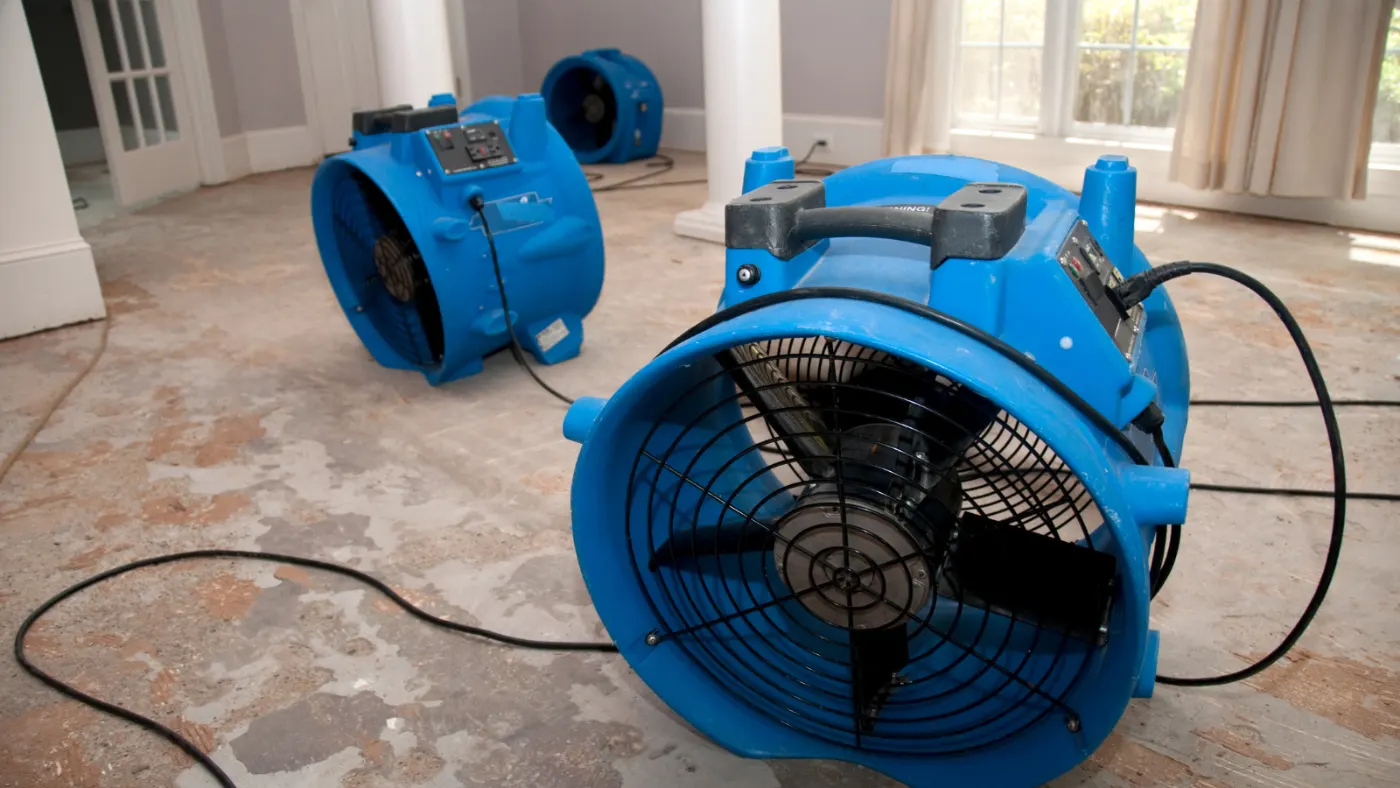
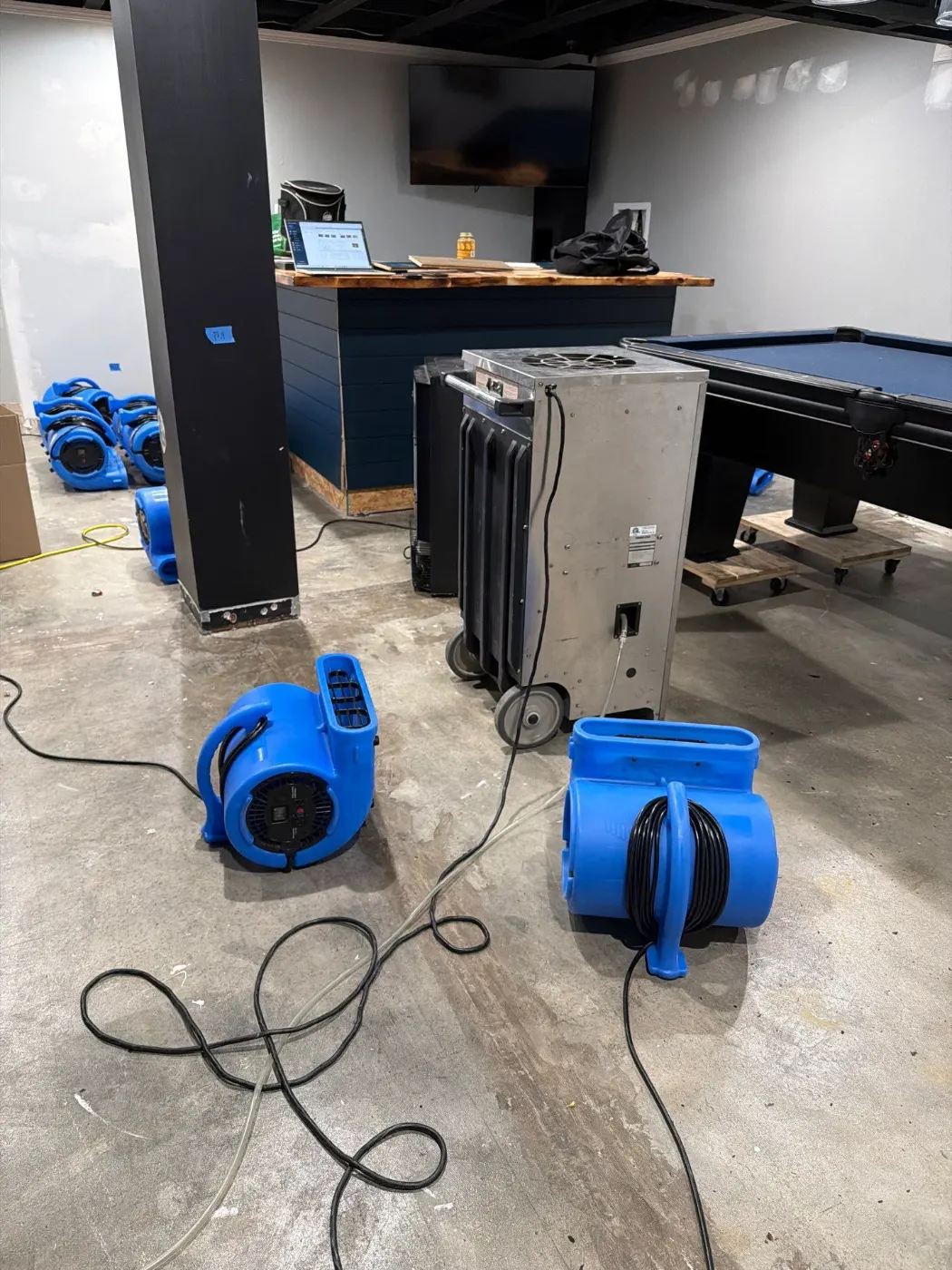
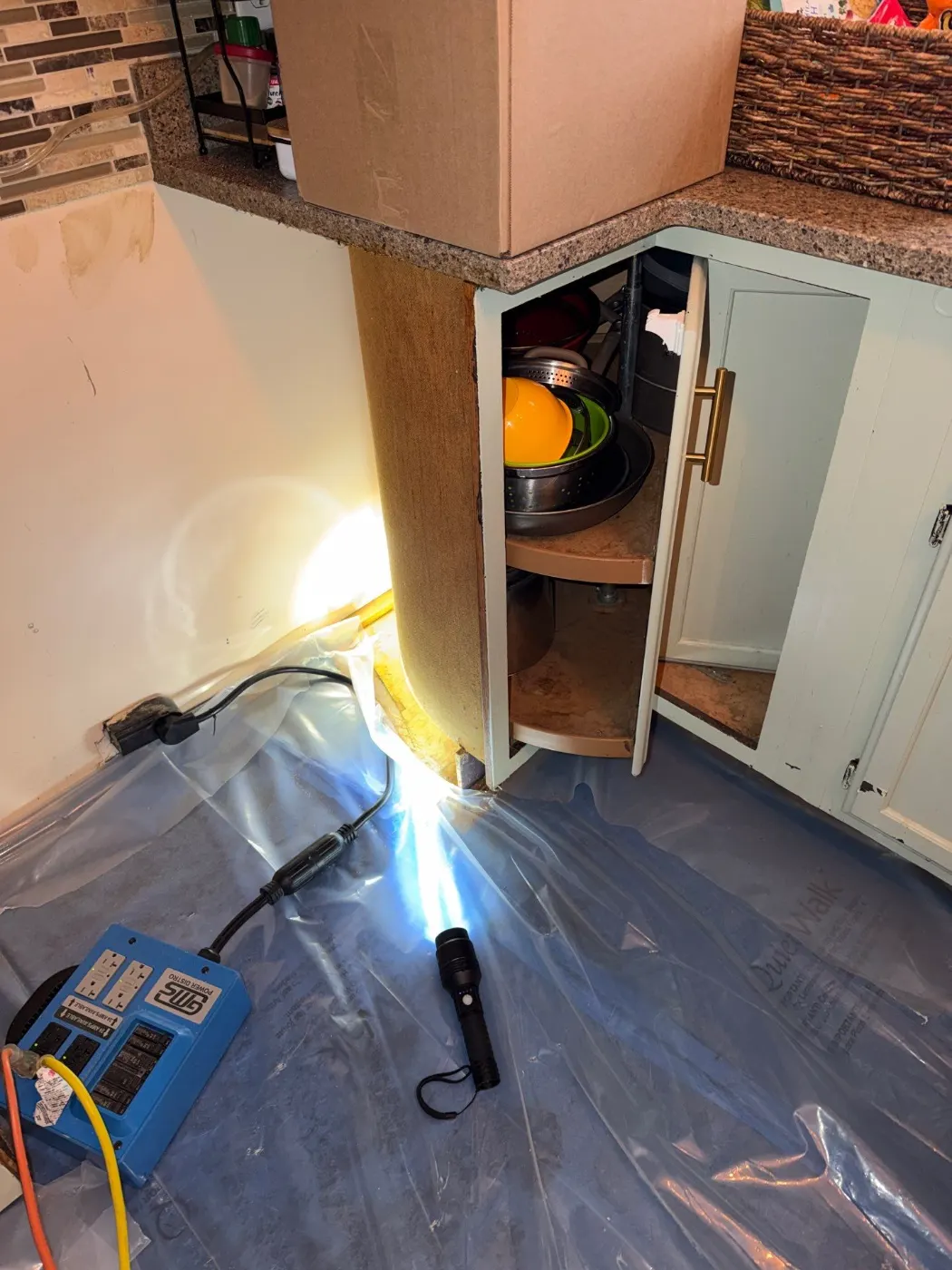
Photographs from real commercial mold remediation jobs completed by our crew in Limestone Springs and surrounding areas.
Commercial Mold Remediation FAQ
Questions Limestone Springs property managers ask us about commercial mold remediation.
Guidance and Standards for Commercial Mold Remediation
- The ANSI/IICRC S520 is the published standard for professional mold remediation. The current edition is the Fourth Edition, 2024. IICRC S520 Standard
- EPA’s mold guide says the key to mold control is moisture control. EPA: A Brief Guide to Mold, Moisture and Your Home
Limestone Springs Neighborhoods We Serve
We take commercial mold remediation calls in every part of Limestone Springs. Pick your neighborhood for local details.
Other Restoration Services in Limestone Springs
Limestone Springs Water Restoration handles the full scope of restoration work. Explore our other services below.
Water Damage Restoration in Limestone Springs
24/7 emergency response. IICRC certified water restoration from extraction to full dry out.
Learn more →Basement Flooding in Limestone Springs
Basement water emergencies handled fast. Extraction, drying, mold prevention.
Learn more →Sewage Cleanup in Limestone Springs
Category 3 biohazard cleanup. Full containment, decontamination, structural restoration.
Learn more →Request Commercial Mold Remediation
Reach Us Directly
Our team is available 24/7 for emergencies and ready to schedule inspections during business hours.
Need Immediate Help?
For active water or mold emergencies, call us directly. We are available 24/7.